
Want to Improve Your Paintings? The #1 Thing You Need to Try
Struggling to create the kind of artwork you’ve been dreaming of?
You’re not alone…and here’s the truth: it’s not about raw talent, endless motivation, or even years in art school. Most artists hit a wall because they’re missing a clear understanding of the core building blocks of every successful painting.
When you know how to master the five key elements of painting, everything changes. Once you start focusing on composition, drawing, values, color, and technique, you’ll see your skills improve faster than you thought possible.
The Five Key Elements of Painting:
1) Composition – Structure Your Artwork for Success
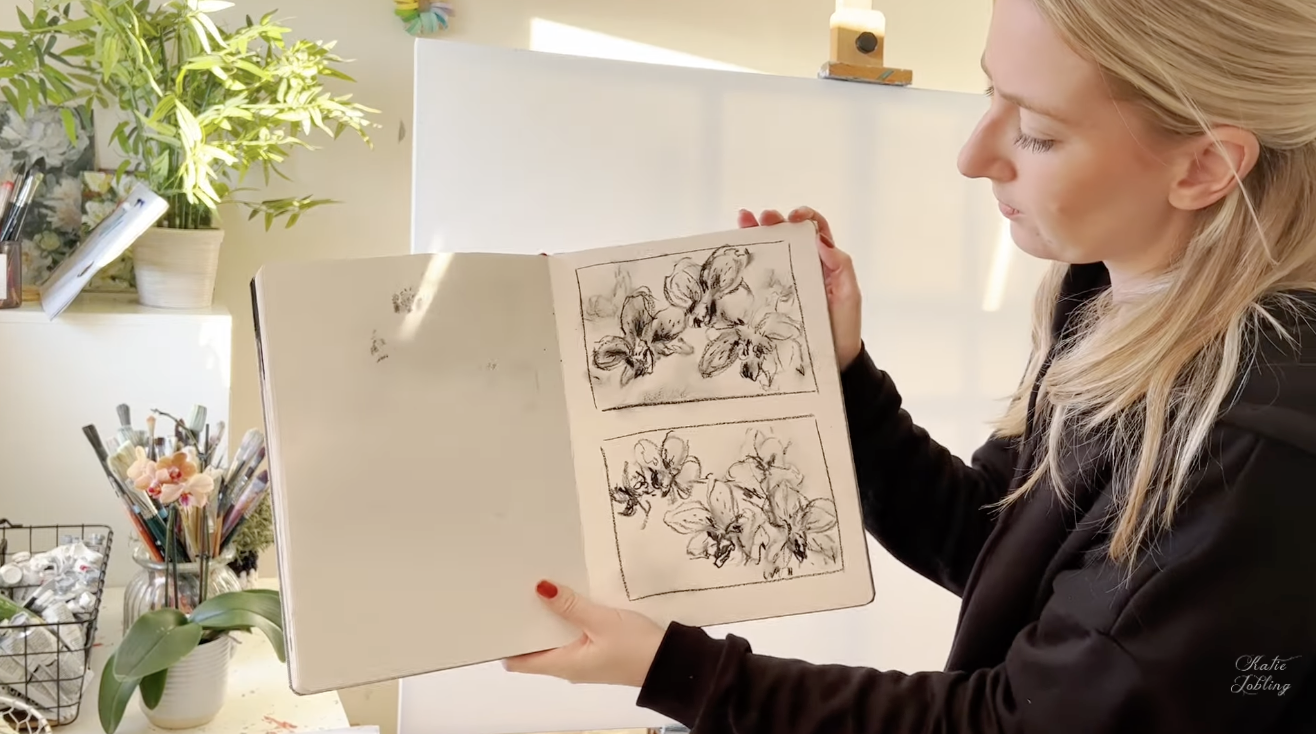
Composition is how your painting is arranged. A strong composition guides the viewer’s eye and gives your artwork balance and flow.
Quick Tips:
Use the rule of thirds to place your main subject off-center—it creates natural balance.
Lead the viewer’s eye with lines, shapes, or contrasting areas of light and dark.
Keep the background simple so your focal point stands out.
2) Drawing & Proportions – Get Shapes and Scale Right
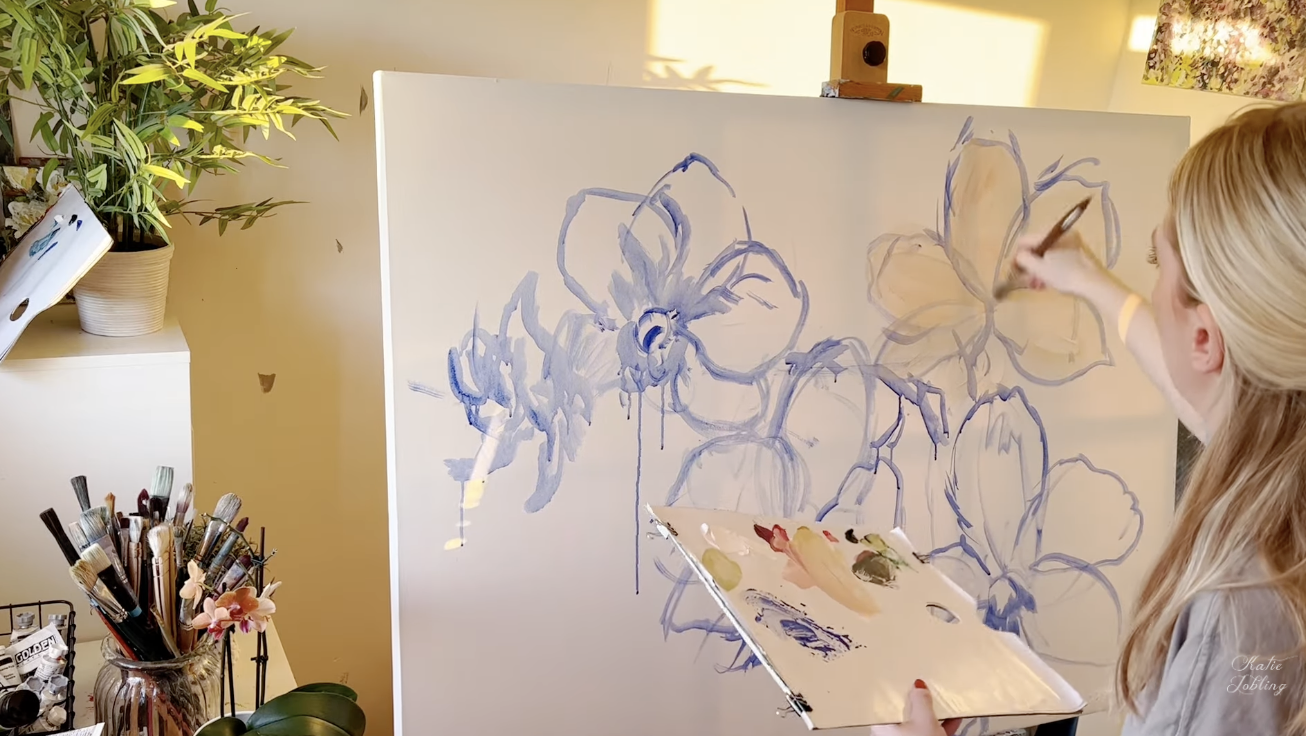
Even the most vibrant colours can’t save a painting with incorrect shapes or proportions. Learning to draw accurately will instantly elevate your work.
Quick Tips:
Break complex subjects into simple shapes (circles, squares, triangles) first.
Check proportions by measuring with your pencil or brush from your reference.
Don’t rush—lightly sketch first and refine before adding details.
3)Values & Depth – Light, Shadow, and Contrast
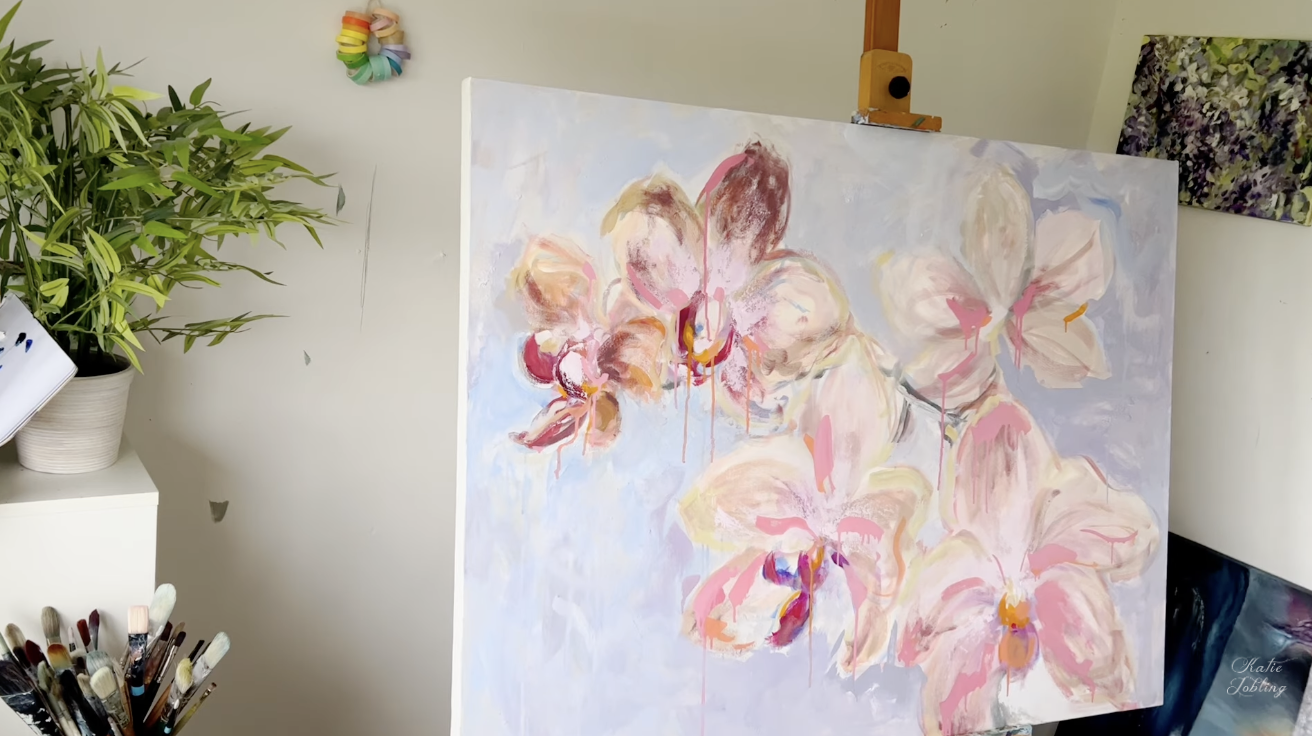
Values create dimension and mood. Understanding light and shadow helps your paintings pop and feel more realistic.
Quick Tips:
Squint at your subject to see the darkest darks and lightest lights.
Start with a simple grayscale sketch to map out shadows and highlights.
Layer values gradually to build depth, don’t jump straight to strong contrast.
4) Colour – Harmony, Saturation, and Mood
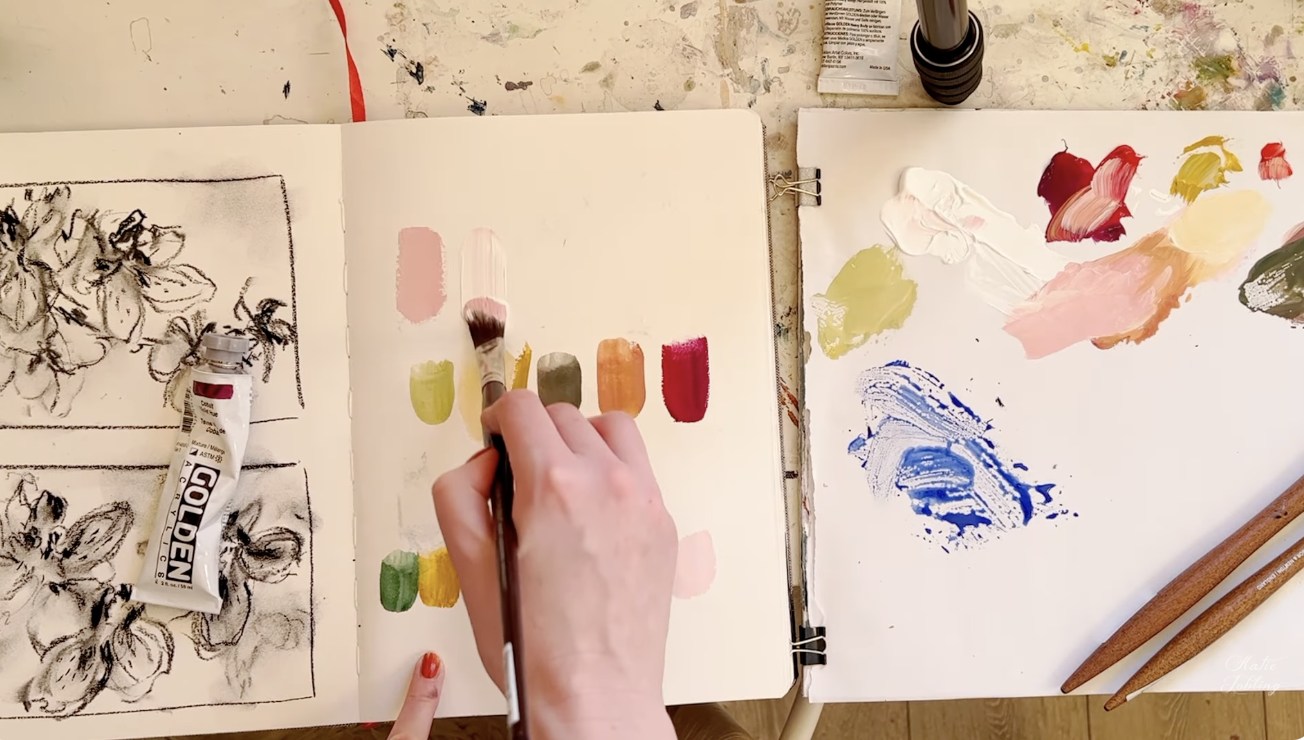
Colour sets the tone of your artwork. Mastering color harmony, contrast, and saturation can transform a flat painting into something truly captivating.
Quick Tips:
Stick to 2–3 main colors and a few accents to keep harmony.
Adjust saturation for emphasis—brighter colours draw the eye.
Observe how colors change in light and shadow, then replicate it in your painting.
5) Painting Techniques - Brushwork, Texture, and Layering
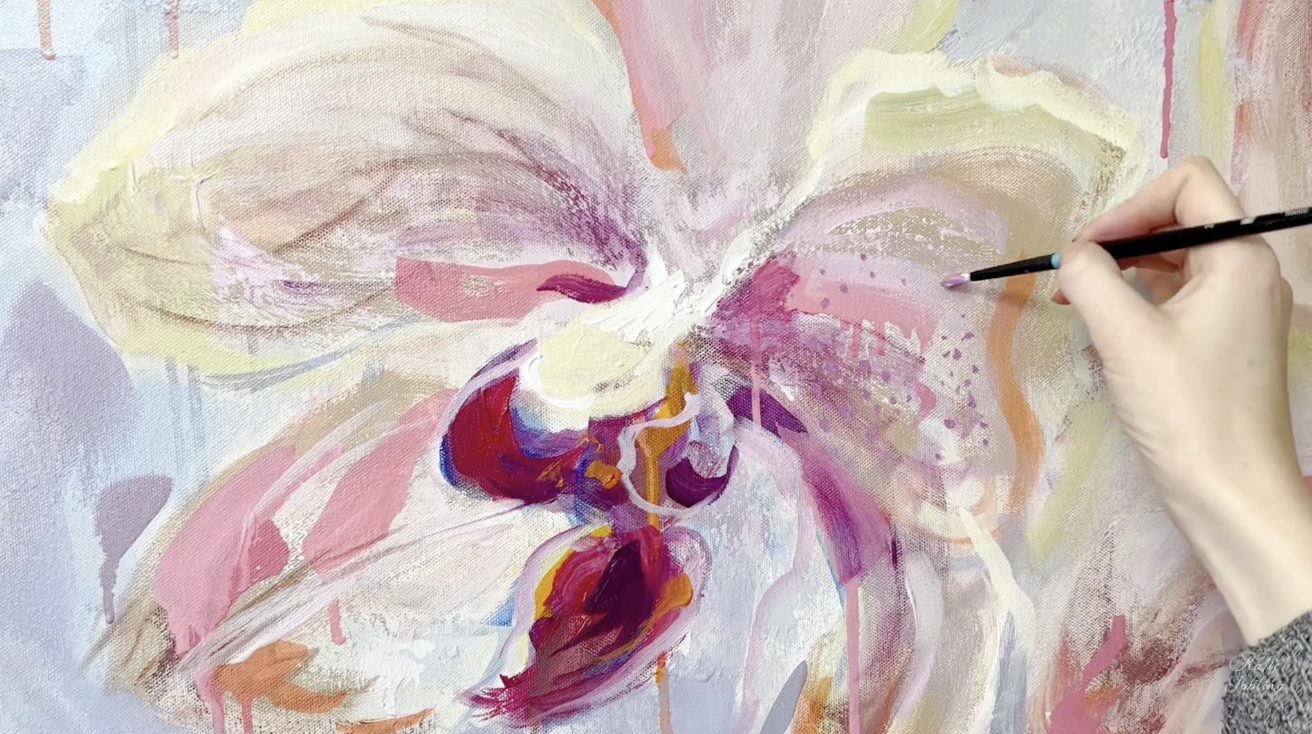
The right techniques bring your vision to life.
From expressive brushwork to layering textures, your style comes alive when you practice the craft.
Quick Tips:
Experiment with brush types and strokes—flat brushes for edges, round brushes for details.
Layer thin washes first, then add texture and highlights on top.
Mix techniques—dry brushing, glazing, or palette knife—to create interest and dimension.
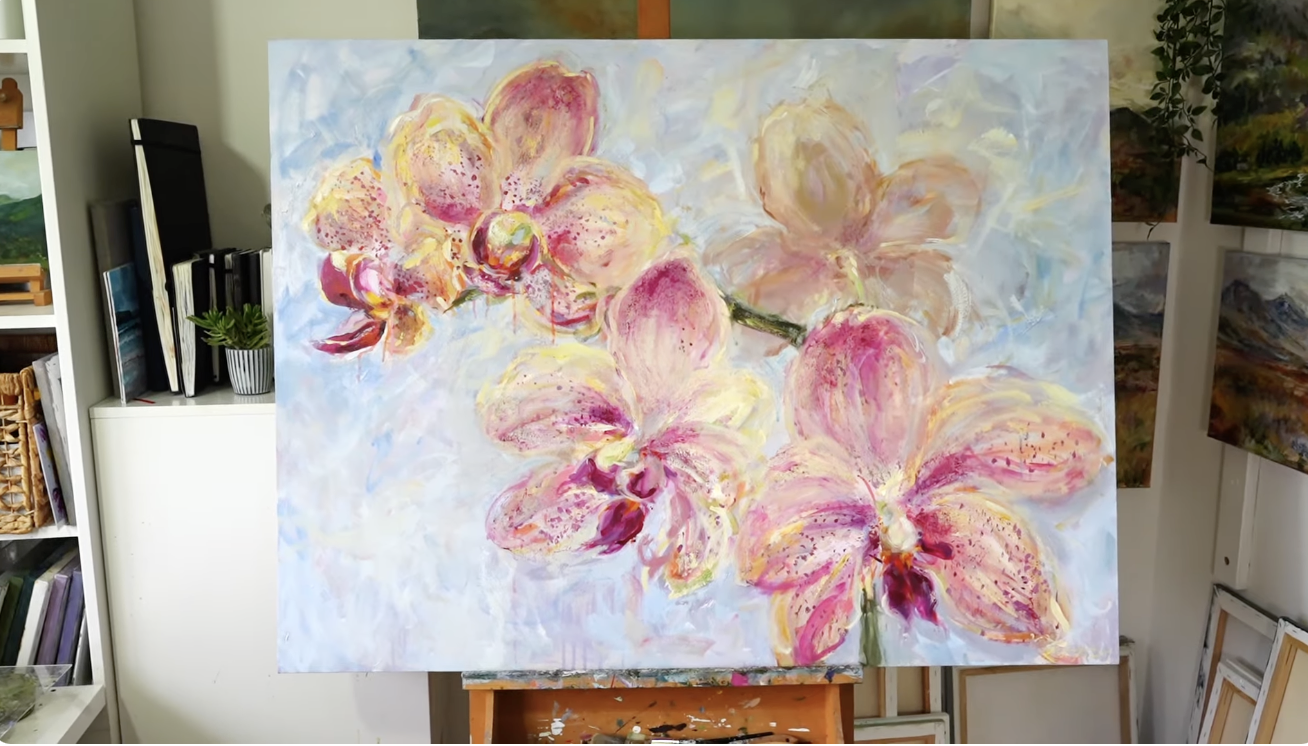
Focusing on each element individually is the key to transforming your art and building real confidence. When I started applying this method, my progress skyrocketed and hundreds of other artists have seen the same incredible results.
🎨 Want step-by-step guidance to improve your painting skills? Join my FREE Art Workshop and start creating artwork you’re proud of.
Ready to take control of your art?
My Supercharge Your Art in 14 Days course gives you bite-sized daily lessons focusing on each core skill, helping you build your portfolio, confidence, and unique style. Join over 500 artists who have already seen huge progress and breakthroughs!